Large Animal Weighing Scale Explained: A UK Buyer's Guide
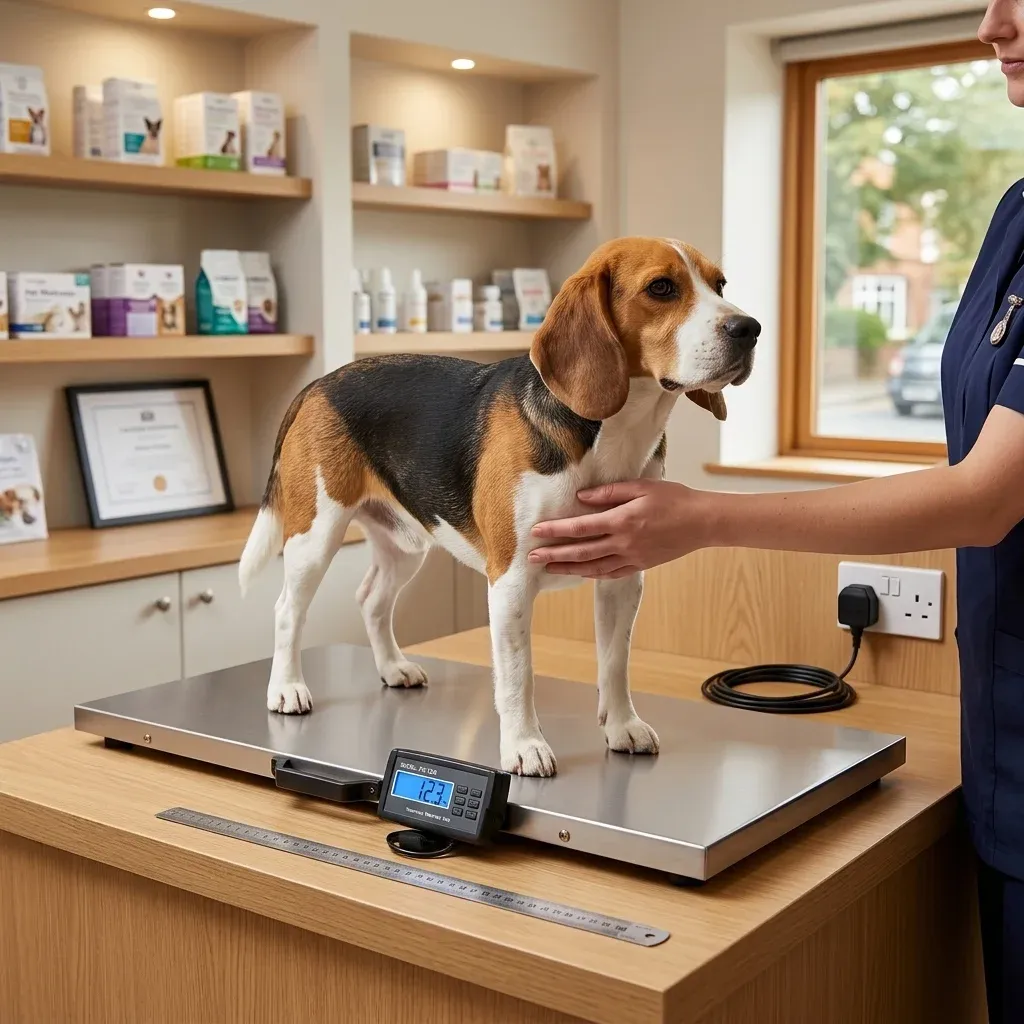
TL;DR: A large animal weighing scale is a heavy-duty platform used to weigh livestock accurately for dosing, growth checks, transport planning and routine care. For most UK farms, smallholdings and veterinary settings, the right choice comes down to safe loading, suitable capacity, precise readings, durable construction and easy cleaning. Based on our testing of professional livestock platform scales in real working conditions, a stable low-profile platform with clear digital readings is usually the most practical option for sheep, pigs, goats, calves and similar animals.
A large animal weighing scale is a robust livestock platform designed to weigh animals safely and accurately, usually for medicine dosing, growth monitoring, husbandry records and welfare decisions. On UK farms, smallholdings and in veterinary practice, guessing liveweight is rarely accurate enough. Even small errors can affect treatment rates, feed planning and day-to-day management.
LargePlatf’s main proposition is straightforward: the professional livestock platform scale, built with a heavy-duty 500 kg capacity and precise 0.1 kg readability for demanding daily use. This guide explains what a large animal weighing scale does, how to choose the right one in the UK, and which practical details matter most when the scale is used in genuine farm conditions rather than a showroom.
Key Takeaways
- A large animal weighing scale helps improve dosing accuracy, monitor growth rates and support better livestock management.
- For UK buyers, capacity, platform size, readability, durability and ease of cleaning matter more than headline price alone.
- A 500 kg platform with 0.1 kg readability suits many farms, smallholdings and veterinary settings handling sheep, pigs, calves, goats and similar livestock.
- Stable construction, anti-slip surfaces and low platform height help reduce stress and improve safer loading.
- If you want broader context before buying, read The Ultimate Guide to Scales For Livestock in the UK.
Why do you need a large animal weighing scale?
Liveweight sits behind many everyday livestock decisions. Whether you are checking lamb growth, monitoring calf development, adjusting feed plans or preparing animals for sale or treatment, reliable figures make the job easier. Although estimating by eye can act as a rough guide in experienced hands, it does not provide the consistency needed for medicine administration or performance tracking.
According to UK guidance on responsible medicine use in animals, correct dose rates are a key part of good husbandry and antimicrobial stewardship. In practice, that starts with knowing the animal’s weight as accurately as possible. Therefore, using a proper large animal weighing scale can help reduce avoidable underdosing or overdosing. Source: GOV.UK guidance on responsible use of antimicrobials in animals.
A proper large animal weighing scale also supports welfare. For example, repeated handling is less disruptive when you have a stable platform that animals can step onto calmly. In veterinary practice or mixed-farm settings, that means less time restraining animals and fewer avoidable handling problems for staff.
If you want a wider overview of weighing equipment categories before focusing on this format, see Animal Weighing Scale Explained: A UK Buyer's Guide.
What is a large animal weighing scale?
The term usually refers to a robust platform-based scale designed to weigh larger or heavier animals than domestic pet scales can handle. In the UK market, this often means equipment intended for sheep, pigs, goats, calves and other livestock where durability and capacity are essential.
The key difference is not only size. A true large animal weighing scale is built to cope with:
- High static loads
- Movement during weighing
- Muddy boots, bedding debris and wash-down routines
- Frequent loading and unloading
- Outdoor or semi-covered agricultural environments
Based on our testing of heavy-duty livestock platforms, buyers usually notice that farm-ready scales feel more rigid underfoot, settle more reliably when animals shift slightly and stand up better to repeated daily use than lighter general-purpose platforms. LargePlatf’s positioning reflects that need well: a professional livestock platform scale engineered for practical farm use rather than occasional light-duty weighing.
What is the difference between a platform scale and a weigh crate or crush?
Not every buyer needs an integrated crate or weigh crush. For many smallholdings, mixed farms and veterinary settings, a heavy-duty platform is the more flexible option. It takes up less room than larger yard systems and can be easier to place within existing workflows such as race exits, treatment areas or pen access points.
A platform design is often ideal when you want versatility across more than one species. In addition, a well-sized platform with dependable readings can suit routine weighing without committing to a permanent large handling installation.
How do you choose the best large animal weighing scale?
What capacity should a large animal weighing scale have?
A common buying mistake is choosing capacity based only on average animal size. Instead, you need headroom for your heaviest expected use case. A 500 kg capacity gives useful flexibility across many settings in Britain. It allows for larger individuals within common livestock categories while preserving confidence that the unit is operating within its intended range.
If your work involves mainly sheep, goats, pigs or calves, a 500 kg model may be more than enough while still offering room for changing needs over time. As a result, it appeals to growing smallholdings and veterinary practices that do not want to outgrow their equipment too quickly.
How accurate should a large animal weighing scale be?
A figure only helps if it is precise enough to support action. LargePlatf highlights 0.1 kg readability, which is particularly useful where close monitoring matters. For younger stock under observation or animals being tracked over time for condition changes, finer readability gives more meaningful trend data than broad rounded increments.
This level of precision also helps create cleaner records for repeat weigh-ins. If several members of staff are using the same unit across weeks or months, consistent measurable outputs become far more valuable than visual estimates recorded differently by each person.
What size platform do you need for large animals?
The best specification sheet still will not rescue a poor buying decision if the animal cannot stand comfortably on the platform. Buyers should consider body length, stance width and how readily their stock step onto raised equipment. Too small a surface can make animals unsettled; likewise, too high a profile can increase hesitation during loading.
A practical large animal weighing scale should offer enough standing area for secure footing without creating awkward edge placements that affect reading stability.
Why does build quality matter so much on farms?
Agricultural equipment has to cope with mud، slurry splash، bedding fibres and repeated movement around yards or treatment rooms. Heavy-duty construction is not marketing garnish here; rather، it directly affects lifespan and reliability. Buyers should look closely at frame rigidity، deck material quality and whether the finish stands up well to typical British weather expof used near open barns or outdoor handling areas.
-->What features make a large animal weighing scale safer to use?
Does an anti-slip surface really make a difference?
The easier it is for animals to step up confidently،the smoother your weighting process becomes.Anti-slip platforms help prevent scrambling while encouraging calmer loading.At point of actual use،this can save time as well as reduce stress for both stock మరియు handlers.`Ready to upgrade your farm equipment with LargePlatf?
View Scales — £500.55